7 Places You Need To Visit In Bulgaria
Cape Kaliakra
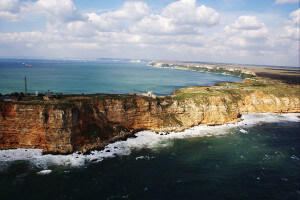
Kaliakra (Bulgarian: Калиакра) is a long and narrow headlandin the Southern Dobruja region of the northern Bulgarian Black Sea Cost, 12 kilometres (7 mi) east of Kavarna, 60 kilometres (37 mi) northeast of Varna and 65 kilometres (40 mi) southwest of Mangalia. The coast is steep with vertical cliffs reaching 70 metres (230 ft) down to the sea. Kaliakra is a nature reserve, where dolphins and cormorants can be observed. It sits on the Via Pontica, a major bird migration route from Africa into Eastern and Northern Europe. Many rare and migrant birds can be seen here in spring and autumn and, like much of this coastline, is home to several rare breeding birds (e.g. pied wheatear and a local race of European shag). The rest of the reserve also has unusual breeding birds; saker falcon, lesser grey shrike and a host of others.
Ancient City of Nessebar
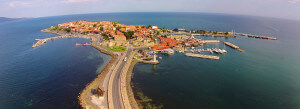
Situated on a rocky peninsula on the Black Sea, the more than 3,000-year-old site of Nessebar was originally a Thracian settlement (Menebria). At the beginning of the 6th century BC, the city became a Greek colony. The city’s remains, which date mostly from the Hellenistic period, include the acropolis, a temple of Apollo, an agora and a wall from the Thracian fortifications. Among other monuments, the Stara Mitropolia Basilica and the fortress date from the Middle Ages, when this was one of the most important Byzantine towns on the west coast of the Black Sea. Wooden houses built in the 19th century are typical of the Black Sea architecture of the period.
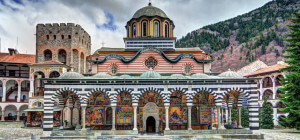
Rila Monastery
Rila Monastery was founded in the 10th century by St John of Rila, a hermit canonized by the Orthodox Church. His ascetic dwelling and tomb became a holy site and were transformed into a monastic complex which played an important role in the spiritual and social life of medieval Bulgaria. Destroyed by fire at the beginning of the 19th century, the complex was rebuilt between 1834 and 1862. A characteristic example of the Bulgarian Renaissance (18th–19th centuries), the monument symbolizes the awareness of a Slavic cultural identity following centuries of occupation.
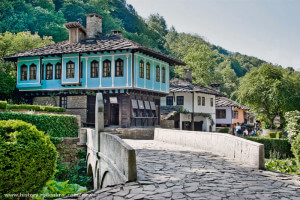
Ethnographic Complex Etar
Architectural ethnographic complex „Etar“ is the first one of this type in Bulgaria. He was found on the 7 of September 1964 year. The museum is situated 8 km South of Gabrovo.
In AEK „Etar“ is the only one and unique collection of the old-times water-driven machinery in Bulgaria .
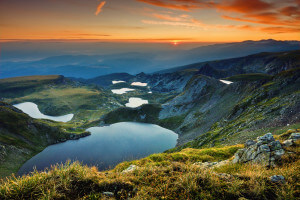
Seven Rila Lakes
The Seven Lakes are located in Northwestern Rila and are probably the most visited places in these mountains. Its popularity is due to the natural beauty of this group of glacier lakes, highest of which is located at about 2500 m. above the sea level. It is named The Teardrop because of its shape. The lowest one is called The Lower Lake (surprisingly) and is at 2100 m. elevation. Between them are located The Twins, The Eye, The Kidney, The Fish Lake and The Trefoil. The Eye is the deepest in the group, reaching a depth of 37,5 meters. The biggest as a surface area is the Kidney Lake.
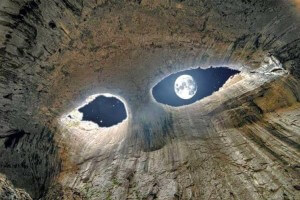
Prohodna Cave
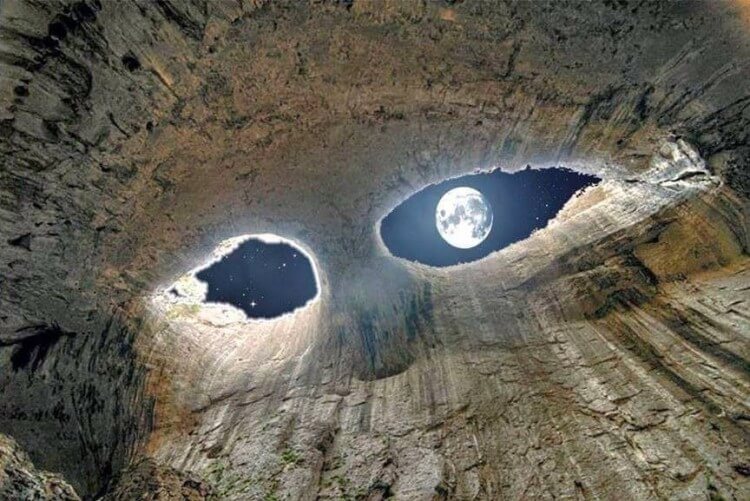
Prohodna – one of the most famous and the most easily accessible caves in Bulgaria, located 2 km from the village called Karlukovo and 112 km from Sofia. The cave is a natural rock bridge with length of 262m and it has two entrances – big and small. At the entrance of small height is of about 35m and the trail starts passing through the cave to the big entrance, where you can see the highest in Bulgaria cave vault, reaching 45 m.
Botanical Garden and palace, Balchik
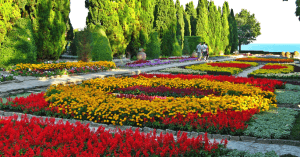
The palace and the botanical garden in Balchik, joined in an architectural and park complex, are a piece of heaven on earth and a must-see tourist attraction on the Bulgarian Black Sea coast. The complex appeared as a summer residence of the Romanian queen Maria (1875-1938).
The palace was designed by Italian architects and construction works started in 1924. One of the first buildings was the queen’s villa “Tenha Yuvah” (“lonely, solitary nest”). In the coming years, new villas, an Orthodox chapel, a nympheum, inside Moorish-styled patios, a traditional Revival Period house and fountains, decorated with fine marble medallions with mythological characters were built.